



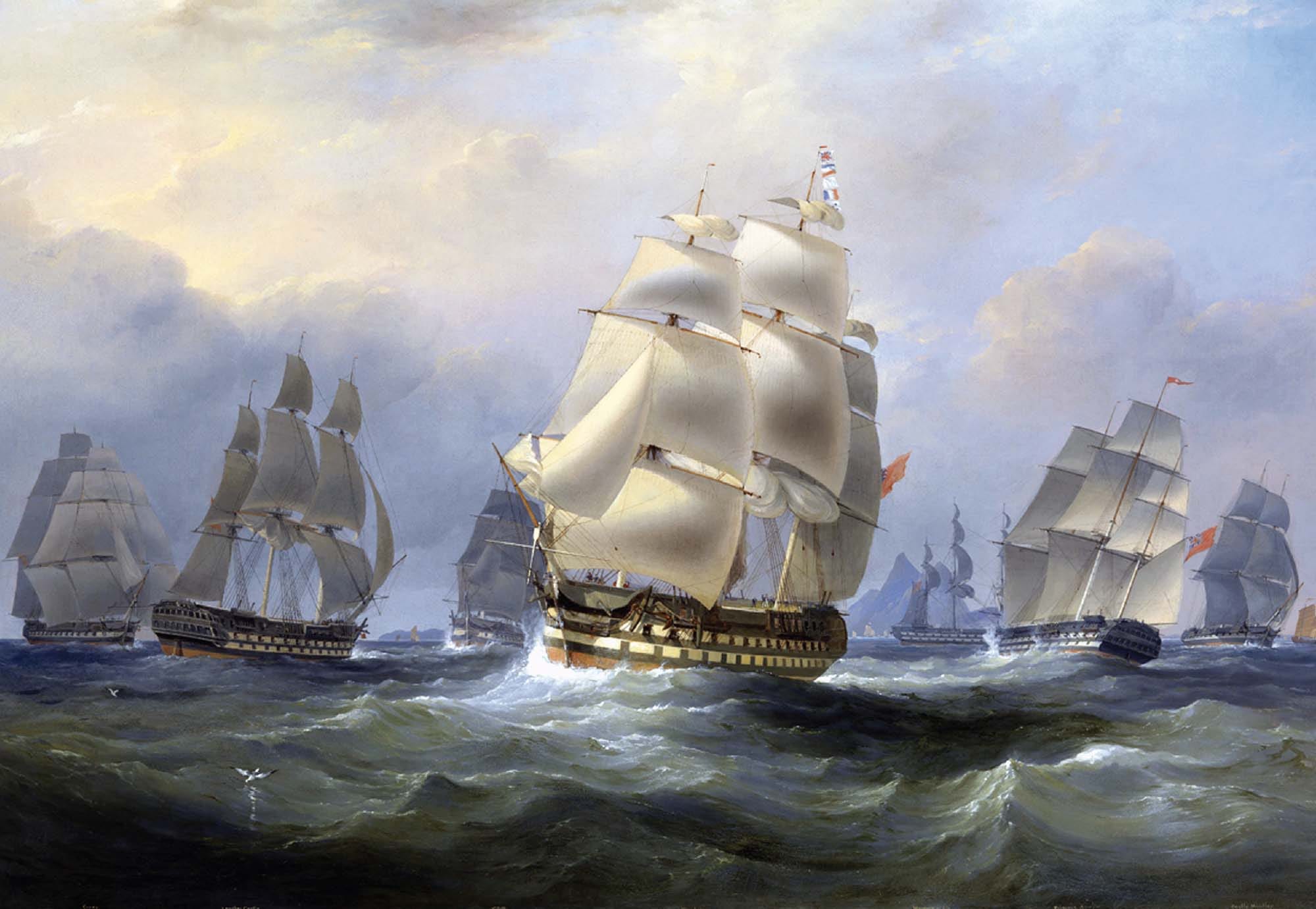
In the 19th century, Britain faced a crisis: it needed Chinese tea but China wanted nothing in return but silver. The solution was brutal and ingenious—opium. By exporting addiction, Britain reversed its silver drain and secured the wealth it needed to feed its empire.
Today, America faces a strikingly similar dilemma. It runs persistent trade deficits, especially with China, yet the world has little appetite for its products. The modern answer is less overtly violent but no less pervasive: Treasuries and dollar-denominated assets. Just as opium created dependence in China, these financial instruments bind the world to the dollar, enabling the US to import what it needs while maintaining global influence.
This edition of Currency of Power explores the historical parallels, the mechanics of America’s modern “opium wars,” and the consequences of an empire running on debt.
Britain’s Silver Crisis and the Opium Solution
By the 1830s, Britain faced a devastating trade imbalance with China. The British Empire imported more than 30 million pounds of tea each year, along with large quantities of silk and porcelain. Yet China, under Emperor Qianlong, showed little interest in purchasing British goods in return, making clear that it did not view trade as a two-way exchange. In 1793, the emperor remarked to King George III that the Qing dynasty possessed all things and had “no use for your country’s manufactures.”
With China unwilling to take British goods, Britain had to pay for Chinese products only in silver, the hard currency of the age. Over time, the steady loss of silver became dangerous for the British economy, as the flow of precious metal out of the country created growing deflationary pressure.
From a modern perspective, it seems a bit odd that something as plain, cheap, and plentiful as tea leaves could sit at the centre of such high-stakes geopolitical strain. To understand how this happened, we need to look back at when and why tea became so firmly rooted in Britain’s economic life.
Specifically, tea’s importance was closely tied to the Industrial Revolution, as urban growth and factory work reshaped daily routines and diets:
Beer, long the standard drink for workers because of its calories and safety, no longer fitted the needs of industrial labour. Tea offered a better alternative: safe when boiled, quick to make, and mildly stimulating. With milk for extra calories and sugar made ever more available through colonial trade, it kept workers going through long factory shifts.
Over the course of the 18th century, tea gradually became essential to Britain’s industrial economy. By the turn of the 19th century, it had become so central that the government drew roughly 10% of its revenue from tea duties alone. Britain’s demand for tea grew each year, but it could only be sourced from China and, because of the emperor’s intransigence, had to be paid for in scarce silver.
Faced with the resulting financial crisis, the British Empire turned to two complementary solutions.
One, told in great detail in Sarah Rose’s thrilling For All the Tea in China, was to send the Scottish botanist Robert Fortune to China. Tasked with breaking China’s monopoly on tea, Fortune travelled covertly into the heart of the restricted tea-growing regions, disguised as a local merchant. He collected seeds, live plants, and detailed knowledge of cultivation and processing techniques, which he then transported to British-controlled India using specially designed terrariums. Fortune’s work enabled the British to establish tea plantations in Assam and Darjeeling, creating a domestic supply of tea outside China and reducing Britain’s dependence on Chinese imports.
The other solution was what Arie van Gemeren recently called “narco-imperialism.” The strategy aimed to reverse the silver outflow by introducing China to an addictive commodity: opium, cultivated under strict monopoly by the British East India Company in Bengal. Although the Qing government had banned opium in 1729, the British established an elaborate smuggling network to circumvent the prohibition.
The Company maintained plausible deniability by auctioning opium to “country traders”—independent British merchants technically unaffiliated with the Company. These traders smuggled opium into China, sold it for silver, and deposited that silver with Company agents in Canton. The Company then used the silver to purchase tea, closing the financial loop and reversing the silver drain.
The circular flow was complete: Britain grew opium in India, smuggled it into China for silver, then used that same silver to purchase Chinese tea. The drug trade literally funded the tea trade.

By the 1820s, silver was finally flowing back into Britain from China via India. At its peak, opium sales generated one-sixth of British India’s total revenues. The empire was effectively running on drug money.
The Reckoning: Military Conflict
By the 1830s, China faced a full-blown addiction crisis while, just like with Britain a few decades before, its treasury haemorrhaged silver. In June 1839, Qing official Lin Zexu confiscated and destroyed over 1,400 tons of opium stockpiled in Canton Harbor. In reaction, British merchants demanded military intervention from London, with Parliament debating the ethics of war over opium and future Prime Minister William Gladstone, then a young MP, condemning it as a war “more unjust in its origin.” The motion to condemn was still lost by nine votes, a slim margin, and Britain went to war with China.
The First Opium War (1839–1842) proved a massive mismatch. British steam-powered warships devastated Chinese junks. When British forces threatened Nanjing, the Qing surrendered. The resulting Treaty of Nanking forced China to cede Hong Kong Island to Britain in perpetuity, open five treaty ports to British trade, pay an indemnity of 21 million silver dollars, and grant British subjects extraterritoriality, providing them with immunity towards Chinese authorities. Though opium went unmentioned in the treaty, smuggling continued with tacit Chinese acceptance, due to the emperor having been subdued.
The Second Opium War (1856–1860) brought even further humiliation, including the looting and burning of the Summer Palace in Beijing. This time, China was forced to officially legalise opium imports. This period, remembered as China’s “century of humiliation” and still a major source of resentment towards the West in China, demonstrated that empires (in that case, Britain) quickly abandon moral pretence when trade balances threaten their very survival.
The New Silver Drain
Fast forward to today, and we find another empire confronting a strikingly similar trade crisis. As Ray Dalio observes in his study of 500 years of empire cycles, the US exhibits classic late-cycle symptoms: massive debt accumulation, wealth inequality, internal political conflict, and challenges from rising powers. The trade deficit represents just one manifestation of this broader imperial decline pattern that has repeated throughout history. And as for trade imbalances specifically, where Britain haemorrhaged silver to China for tea, America now runs persistent deficits with the world—including with China—for manufactured goods, electronics, and countless products that sustain modern life.
